
Pakistan experiences some of the harshest summer conditions in the region. With temperatures often exceeding 40°C in many cities, prolonged sun exposure becomes more than just an inconvenience it can have a significant impact on your skin’s health. Strong ultraviolet (UV) rays, combined with heat, humidity, dust, and pollution, increase the risk of sunburn, pigmentation, premature aging, and long-term skin damage.
Despite these risks, sunscreen is still one of the most overlooked steps in many skincare routines. Some people apply it only before vacations, while others skip it entirely on cloudy days or when staying indoors. Dermatologists consistently recommend daily sun protection because UV rays can affect the skin year-round.
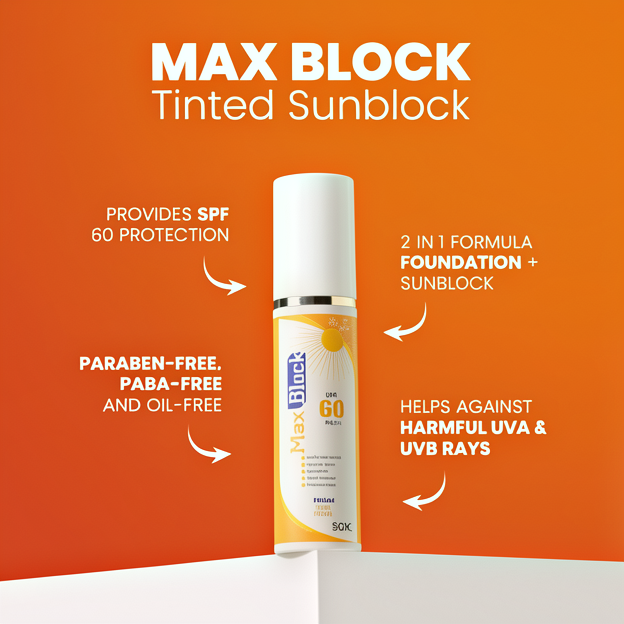
If you’re searching for the QHC Sunblock In Pakistan, understanding why medicated sunblock matters and how to choose the right formula can help you protect your skin more effectively. QHC encourages a preventive approach to skincare by promoting daily sun protection as an essential habit for healthy, resilient skin.
Why Pakistan’s Summer Is Especially Challenging for Skin
The combination of high UV levels and extreme temperatures places continuous stress on the skin.
Common environmental factors include:
- Intense UV radiation
- Heatwaves
- High humidity in many regions
- Dust and air pollution
- Increased sweating
- Long hours of outdoor exposure
These conditions can weaken the skin barrier and make it more vulnerable to irritation, dehydration, and uneven pigmentation.
Understanding UV Rays
Not all sunlight affects the skin in the same way.
UVA Rays
UVA rays penetrate deep into the skin and are associated with:
- Premature aging
- Fine lines
- Wrinkles
- Loss of elasticity
- Hyperpigmentation
These rays are present throughout the year and can pass through clouds and glass.
UVB Rays
UVB rays primarily affect the outer layers of the skin.
They are responsible for:
- Sunburn
- Skin redness
- Inflammation
- Increased risk of long-term sun damage
Effective sun protection should shield against both UVA and UVB rays.
What Is a Medicated Sunblock?
A medicated sunblock is formulated with dermatology-focused ingredients to provide broad-spectrum protection while supporting overall skin health.
Depending on the formulation, it may also help:
- Strengthen the skin barrier
- Reduce irritation caused by sun exposure
- Support hydration
- Suit sensitive or acne-prone skin
- Offer comfortable daily wear
Rather than simply blocking sunlight, these formulations are designed to work as part of a complete skincare routine.
Why Daily Sun Protection Matters
Many people believe sunscreen is only necessary during outdoor activities.
In reality, ultraviolet exposure occurs during:
- Driving
- Walking to work
- Shopping
- Sitting near windows
- Outdoor exercise
- Daily commuting
Even brief periods of repeated sun exposure accumulate over time.
Daily use of sunblock helps reduce the effects of this ongoing exposure.
Benefits of Using Medicated Sunblock
Helps Prevent Sunburn
Sunburn is one of the earliest signs of excessive UV exposure.
Using a broad-spectrum sunblock helps reduce the likelihood of redness and discomfort.
Supports an Even Skin Tone
Repeated sun exposure can trigger excess melanin production, leading to uneven pigmentation and dark spots.
Consistent protection helps minimize these concerns.
Reduces Premature Aging
Ultraviolet radiation contributes to collagen breakdown, making wrinkles and fine lines appear earlier.
Daily protection helps preserve smoother-looking skin.
Protects the Skin Barrier
Environmental stress can weaken your skin’s protective barrier.
Medicated sunblock works alongside moisturizers and gentle cleansers to support overall skin resilience.
Who Should Use Medicated Sunblock?
Sun protection benefits everyone, regardless of skin type.
It is particularly valuable for people with:
- Sensitive skin
- Acne-prone skin
- Hyperpigmentation
- Melasma
- Post-acne marks
- Outdoor lifestyles
Children and older adults also benefit from appropriate sun protection, though products should always be selected according to age and individual needs.
How to Choose the Right Sunblock
Selecting the right product makes daily application much easier.
Broad-Spectrum Protection
Choose products that protect against both UVA and UVB rays.
Lightweight Texture
Pakistan’s hot weather makes lightweight, comfortable formulations more practical for daily use.
Non-Comedogenic Formula
People with oily or acne-prone skin should choose products that are less likely to clog pores.
Suitable for Your Skin Type
Different skin types require different formulations.
Dry skin may benefit from hydrating ingredients, while oily skin often prefers lightweight finishes.
QHC offers skincare solutions designed to complement different skin types while supporting everyday sun protection.
How Much Sunblock Should You Apply?
Using too little sunblock reduces its effectiveness.
General recommendations include:
- Apply generously to the face, neck, and exposed skin.
- Apply about 15–20 minutes before sun exposure.
- Reapply every two hours during prolonged outdoor activities or after heavy sweating.
Consistent application is just as important as choosing the right product.
A Complete Summer Skincare Routine
1: Gentle Cleansing
Begin with a mild cleanser to remove excess oil, sweat, and environmental impurities.
2: Hydrating Moisturizer
Well-hydrated skin maintains a healthier barrier against environmental stress.
3: Medicated Sunblock
Apply your sunblock every morning as the final step before makeup.
4: Evening Cleansing
Cleanse thoroughly at night to remove sunscreen, pollution, and excess oil.
Following a simple routine consistently produces better results than using numerous products inconsistently.
Common Sun Protection Mistakes
Many people unintentionally reduce the effectiveness of sunscreen.
Avoid these habits:
- Applying too little product
- Forgetting the neck and ears
- Skipping reapplication
- Using expired sunscreen
- Applying sunscreen only during vacations
- Assuming cloudy weather eliminates UV exposure
Correcting these habits significantly improves daily protection.
Healthy Habits That Complement Sunblock
Sun protection extends beyond skincare products.
You can further protect your skin by:
- Wearing sunglasses with UV protection
- Using wide-brimmed hats
- Seeking shade during peak afternoon hours
- Staying hydrated
- Wearing breathable clothing outdoors
These habits work together with sunscreen to reduce overall UV exposure.
Why Consistency Matters More Than SPF Alone
A high SPF offers valuable protection, but it cannot compensate for inconsistent use.
Dermatologists consistently emphasize that wearing sunblock every day and reapplying it when needed is more beneficial than using a high-SPF product occasionally.
QHC encourages building simple skincare habits that prioritize long-term skin health through daily cleansing, hydration, and reliable sun protection.
Final Words
Pakistan’s intense summer sun exposes the skin to high levels of ultraviolet radiation, making daily sun protection one of the most important steps in any skincare routine. A medicated sunblock helps protect against sunburn, uneven pigmentation, premature aging, and environmental stress while supporting the skin’s natural barrier.
Combined with gentle cleansing, proper hydration, and healthy lifestyle habits, consistent sunscreen use contributes to healthier, more resilient skin throughout the year.
With thoughtfully developed skincare solutions, QHC supports Pakistani consumers in creating practical routines that help protect and care for their skin under even the harshest summer conditions.
Frequently Asked Questions
1. Why should I wear sunblock every day in Pakistan?
Pakistan experiences strong UV radiation throughout much of the year. Daily sunblock helps protect the skin from sunburn, pigmentation, and premature aging.
2. What is the difference between medicated sunblock and regular sunscreen?
Medicated sunblocks are often formulated with skin-friendly ingredients that support the skin barrier while providing broad-spectrum UV protection.
3. Can oily skin use medicated sunblock?
Yes. Lightweight, non-comedogenic formulations are suitable for oily and acne-prone skin without leaving a greasy finish.
4. How often should I reapply sunblock?
Reapply every two hours during prolonged outdoor exposure or after excessive sweating or swimming.
5. Is sunscreen necessary on cloudy days?
Yes. UVA rays can penetrate clouds, so daily sun protection remains important even when the sun is not visible.