
The monsoon season brings welcome relief from the summer heat, but it also creates unique challenges for oily skin. Increased humidity, excessive sweating, clogged pores, and unexpected breakouts often make people believe they should skip moisturizer altogether. Unfortunately, that common misconception can actually make oily skin produce even more oil.
Healthy skin needs hydration regardless of the season or skin type. When your skin lacks moisture, it compensates by producing excess sebum, leading to greasy skin, enlarged pores, and acne flare-ups. The key is choosing lightweight, non-greasy skincare products that provide hydration without clogging pores.
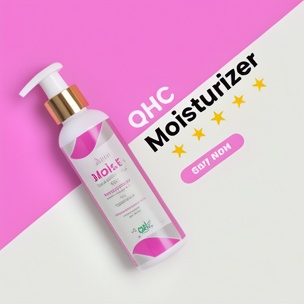
If you’re looking for the QHC Moisturizer in Pakistan, it’s important to select a formula designed specifically for oily or combination skin. Brands like QHC offer skincare solutions that focus on maintaining the skin’s moisture barrier while keeping the complexion fresh, balanced, and comfortable throughout the rainy season.
Why Oily Skin Still Needs Hydration During Monsoon
Many people confuse oil with moisture, but they are completely different.
Sebum is the natural oil produced by your skin, while hydration refers to the water content your skin needs to stay healthy. Your skin can be oily and dehydrated at the same time.
When hydration levels drop:
- Oil production increases.
- Skin feels greasy yet tight.
- Breakouts become more frequent.
- The skin barrier weakens.
- Redness and irritation may appear.
Using a suitable moisturizer helps restore balance instead of adding unnecessary shine.
How Monsoon Weather Affects Oily Skin
The rainy season creates an environment where bacteria, sweat, pollution, and excess oil easily accumulate on the skin.
Common concerns include:
- Clogged pores
- Acne and pimples
- Sticky skin
- Uneven texture
- Increased blackheads
- Dull complexion
Proper hydration helps strengthen the skin barrier, making it more resistant to environmental stressors.
Signs Your Oily Skin Is Dehydrated
Many Pakistani skincare users overlook dehydration because their skin already feels oily.
Watch for these signs:
- Tightness after washing your face
- Flaky patches around the nose or cheeks
- Skin becoming oily within a few hours
- Makeup separating quickly
- Frequent breakouts despite cleansing
- Dull-looking complexion
If these symptoms sound familiar, your skin may be lacking water rather than oil.
Choosing the Right Moisturizer for Oily Skin
Not every moisturizer works well during humid weather.
Look for Lightweight Formulas
Gel-based or water-based moisturizers absorb quickly without leaving a greasy layer.
These formulations help maintain hydration while keeping pores clear.
Choose Non-Comedogenic Products
A non-comedogenic moisturizer is designed to reduce the risk of clogged pores, making it ideal for acne-prone skin.
Focus on Skin Barrier Support
Healthy skin retains moisture better and becomes less prone to irritation.
Look for ingredients known for supporting skin repair and nourishment.
Avoid Heavy Oils
Rich creams made for dry skin may feel uncomfortable during monsoon and can contribute to congestion if your skin is naturally oily.
Ingredients That Work Best
The right ingredients make all the difference.
Hyaluronic Acid
This moisture-binding ingredient attracts water to the skin without feeling heavy.
It provides long-lasting hydration while keeping the skin soft and plump.
Niacinamide
Niacinamide helps regulate excess oil, supports the skin barrier, minimizes enlarged pores, and improves overall skin texture.
Glycerin
Glycerin is an excellent humectant that helps retain moisture and supports healthy skin function.
Ceramides
Ceramides strengthen the protective barrier, reducing moisture loss and improving resilience.
Panthenol
Panthenol soothes irritation while promoting hydration and skin recovery.
Ingredients to Use Carefully
Some ingredients may feel too rich during humid weather.
Depending on your skin’s sensitivity, consider limiting products containing:
- Heavy mineral oils
- Thick petroleum-based creams
- Excessive fragrance
- Alcohol-heavy formulas that may dry out the skin
Always patch-test new skincare products before adding them to your routine.
A Simple Monsoon Skincare Routine
Consistency matters more than using many products.
1: Cleanse Gently
Wash your face twice daily with a gentle cleanser that removes dirt, sweat, and excess oil without stripping the skin.
Over-cleansing can increase oil production.
2: Apply a Hydrating Serum
A lightweight hydrating serum with ingredients such as hyaluronic acid can boost moisture levels before applying moisturizer.
3: Moisturize Daily
Apply a lightweight moisturizer morning and evening to maintain balanced hydration.
QHC offers skincare options designed to support hydration while leaving oily skin feeling fresh rather than greasy.
4: Use Sunscreen
Even on cloudy days, UV rays can damage the skin.
Choose a broad-spectrum sunscreen with a lightweight finish that works well for oily skin.
5: Cleanse After Heavy Sweating
If you’ve been outdoors during humid weather, gently cleanse your skin to remove sweat, pollution, and excess oil.
Lifestyle Habits That Support Healthy Skin
Good skincare extends beyond topical products.
Small daily habits can improve skin hydration naturally.
Drink Enough Water
Staying hydrated supports overall skin health, especially during humid weather when sweating increases.
Eat Skin-Friendly Foods
Include foods rich in:
- Fresh fruits
- Leafy vegetables
- Healthy fats
- Nuts and seeds
- Omega-3 fatty acids
These nutrients help support skin repair and maintain a healthy glow.
Get Quality Sleep
Your skin repairs itself during sleep.
Aim for consistent rest to support collagen production and reduce signs of fatigue.
Avoid Touching Your Face
Dirty hands transfer bacteria and oil, increasing the likelihood of clogged pores and breakouts.
Common Mistakes to Avoid
Many people unintentionally make oily skin worse during monsoon.
Avoid these habits:
- Skipping moisturizer
- Washing the face too frequently
- Using harsh scrubs every day
- Applying thick creams
- Sleeping with makeup on
- Ignoring sunscreen during cloudy weather
Simple adjustments can make a noticeable difference in your skin’s appearance.
Why Skin Barrier Health Matters
The skin barrier protects against pollution, bacteria, and moisture loss.
When damaged, you may notice:
- Increased sensitivity
- Persistent dryness
- More breakouts
- Rough texture
- Redness
Hydrating skincare products containing barrier-supporting ingredients help restore balance and improve long-term skin health.
QHC emphasizes skincare solutions that help nourish the skin while maintaining a lightweight feel suitable for Pakistan’s changing weather conditions.
Skincare Tips for Pakistani Weather
Pakistan experiences varying humidity levels during monsoon, especially in cities where pollution and heat remain high.
To keep oily skin healthy:
- Choose breathable skincare products.
- Reapply sunscreen when spending time outdoors.
- Wash pillowcases regularly.
- Avoid layering unnecessary products.
- Use clean towels for your face.
- Maintain a consistent skincare routine rather than frequently changing products.
These simple habits can reduce breakouts while keeping the skin hydrated and comfortable.
Why Consistency Is More Important Than Complexity
Many people purchase numerous skincare products hoping for quick results.
In reality, healthy skin usually comes from a consistent routine built around cleansing, hydration, sun protection, and barrier support.
Using quality products regularly allows the skin to recover naturally while maintaining moisture balance.
With thoughtfully formulated skincare, QHC helps support hydration, nourishment, and healthy-looking skin throughout the monsoon season without overwhelming oily skin.
Final Words
Monsoon weather can make oily skin feel greasy, sticky, and difficult to manage, but avoiding moisturizer isn’t the answer. Proper hydration helps regulate oil production, supports the skin barrier, reduces breakouts, and promotes a smoother, healthier complexion.
The secret lies in choosing lightweight, non-comedogenic formulas enriched with hydrating ingredients such as hyaluronic acid, niacinamide, glycerin, ceramides, and panthenol. Combined with gentle cleansing, daily sunscreen, and healthy lifestyle habits, your skin can stay balanced throughout the rainy season.
Whether you’re updating your skincare routine or searching for dependable hydration solutions, QHC offers skincare designed to meet the needs of Pakistani consumers while helping oily skin remain refreshed, nourished, and naturally radiant every day.
Frequently Asked Questions
1. Should oily skin use moisturizer during the monsoon?
Yes. Oily skin still requires hydration. A lightweight, water-based moisturizer helps maintain moisture balance and can reduce excess oil production.
2. What ingredients are best for oily skin hydration?
Hyaluronic acid, niacinamide, glycerin, ceramides, and panthenol are excellent ingredients that hydrate, strengthen the skin barrier, and support healthy skin without feeling greasy.
3. Can skipping moisturizer cause more oil production?
Yes. When skin becomes dehydrated, it often produces additional sebum to compensate, making the skin appear even oilier.
4. How often should I moisturize oily skin?
Apply moisturizer twice daily—once in the morning and once before bedtime—after cleansing your face.
5. Is sunscreen necessary during the rainy season?
Absolutely. UV rays can penetrate clouds, so wearing a lightweight broad-spectrum sunscreen every day helps protect your skin from sun damage and premature aging.