
The promise of lighter, brighter skin has made whitening creams one of the most searched skincare products in Pakistan. From social media advertisements to beauty stores, countless products claim to deliver dramatic results within days. But are these claims backed by science, or are they simply marketing?
According to dermatologists, the answer is more nuanced than many people expect. While some skincare products can visibly improve uneven skin tone, reduce pigmentation, and restore radiance, no topical cream can permanently change your natural skin color. The most effective products focus on enhancing skin clarity and brightness rather than altering your genetic complexion.
If you’re searching for the QHC Skin Whitening Cream In Pakistan, understanding how these products work and what ingredients truly make a difference is essential. QHC believes in skincare that supports healthy, even-looking skin through carefully selected ingredients and consistent routines rather than unrealistic promises.
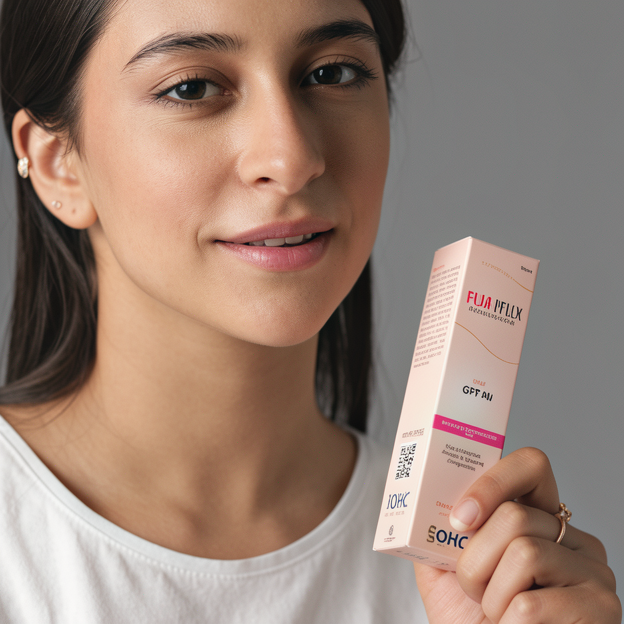
What Do Whitening Creams Actually Do?
The term “whitening cream” is commonly used in the beauty industry, but dermatologists often prefer the terms brightening cream, pigmentation cream, or tone-correcting cream.
Most effective formulations are designed to:
- Reduce the appearance of dark spots
- Improve uneven skin tone
- Fade post-acne marks
- Minimize sun-induced pigmentation
- Enhance natural radiance
- Support healthy skin renewal
Instead of changing your natural complexion, these products help your skin appear clearer, smoother, and more even.
What Causes Uneven Skin Tone?
Before choosing any skincare product, it’s important to understand why pigmentation develops.
Common causes include:
- Sun exposure
- Acne scars
- Hormonal changes
- Environmental pollution
- Aging
- Skin inflammation
- Lack of sun protection
Addressing these factors often produces better long-term results than relying on a single product.
What Dermatologists Say About Whitening Creams
Dermatologists agree that skincare products can improve discoloration when they contain clinically supported ingredients and are used consistently.
However, they also caution against products that promise overnight whitening or permanent skin-lightening results.
Healthy skincare focuses on:
- Supporting the skin barrier
- Reducing excess pigmentation
- Encouraging healthy cell turnover
- Protecting skin from future damage
- Maintaining hydration
This balanced approach leads to healthier and more natural-looking improvements.
Ingredients That Dermatologists Recommend
The effectiveness of a brightening cream depends largely on its ingredients.
Niacinamide
Niacinamide helps reduce the appearance of pigmentation, strengthens the skin barrier, and improves overall skin texture.
It is suitable for most skin types, including oily and sensitive skin.
Vitamin C
Vitamin C is a powerful antioxidant that helps brighten dull skin while protecting against environmental damage.
It also supports collagen production for firmer-looking skin.
Alpha Arbutin
Alpha arbutin helps reduce the appearance of dark spots by targeting excess melanin production.
It is widely recommended for uneven skin tone.
Licorice Root Extract
This botanical ingredient helps soothe the skin while gradually improving the appearance of pigmentation.
Hyaluronic Acid
Hydrated skin naturally appears healthier and more radiant. Hyaluronic acid helps maintain moisture without feeling heavy.
Ingredients That Require Professional Guidance
Some active ingredients should only be used under the supervision of a qualified dermatologist.
These include:
- Hydroquinone
- Prescription-strength retinoids
- High-strength chemical exfoliants
- Topical corticosteroids used for cosmetic skin lightening
Improper use may increase the risk of irritation, sensitivity, or unwanted side effects.
Why Sunscreen Is Essential
Even the most advanced brightening routine can produce limited results without daily sun protection.
Ultraviolet rays stimulate melanin production, making pigmentation more noticeable.
Using a broad-spectrum sunscreen every morning helps:
- Prevent new dark spots
- Protect treatment results
- Reduce premature aging
- Maintain a more even complexion
Sunscreen should be considered a daily essential rather than an optional step.
A Healthy Brightening Routine
Consistency is the key to visible improvements.
1: Gentle Cleansing
Use a mild cleanser to remove dirt, excess oil, and environmental pollutants without disrupting the skin barrier.
2: Brightening Serum
Apply a serum containing ingredients such as vitamin C or niacinamide to support an even skin tone.
3: Moisturizer
Hydrated skin functions better and appears naturally healthier.
QHC offers skincare solutions formulated to help nourish the skin while supporting long-term hydration and barrier health.
4: Sunscreen
Finish your morning routine with broad-spectrum SPF to protect your skin from further pigmentation.
Common Myths About Whitening Creams
Many misconceptions continue to circulate online.
Whitening Creams Change Your Natural Skin Color
Your genetically determined skin tone cannot be permanently altered by topical creams.
Effective products improve brightness and reduce uneven pigmentation instead.
Faster Results Mean Better Products
Rapid results often come from harsh ingredients that may damage the skin.
Healthy skin improvements usually occur gradually with consistent use.
More Product Gives Better Results
Applying excessive amounts does not increase effectiveness.
Using products as directed is both safer and more effective.
Only Women Need Brightening Skincare
Men also experience sun damage, acne marks, and uneven skin tone.
A good skincare routine benefits everyone.
Healthy Habits That Improve Skin Radiance
Skincare products work best when combined with healthy daily habits.
Support your skin by:
- Drinking enough water
- Eating antioxidant-rich foods
- Sleeping well
- Managing stress
- Avoiding smoking
- Wearing sunscreen every day
These habits contribute to healthier-looking skin over time.
Choosing Quality Skincare
Rather than focusing on exaggerated marketing claims, consider products that prioritize:
- Dermatologist-friendly ingredients
- Skin barrier support
- Hydration
- Gentle formulations
- Long-term skin health
QHC develops skincare products with these principles in mind, helping consumers build routines that focus on healthier, brighter-looking skin instead of unrealistic expectations.
When Should You See a Dermatologist?
Professional advice is recommended if you experience:
- Persistent pigmentation
- Melasma
- Severe acne scars
- Rapid skin discoloration
- Irritation after using skincare products
A dermatologist can recommend treatments tailored to your skin type and concerns.
Final Words
Whitening creams can improve the appearance of uneven skin tone, pigmentation, and dullness when they contain proven ingredients and are used consistently. However, dermatologists agree that no topical cream can permanently change your natural complexion.
The healthiest approach focuses on brighter, more even-looking skin through hydration, sun protection, gentle skincare, and scientifically supported ingredients. By choosing quality products and maintaining realistic expectations, you can achieve noticeable improvements while protecting your skin’s long-term health.
With QHC, skincare is about supporting healthy, radiant skin through thoughtful formulations that nourish, hydrate, and promote a naturally even complexion.
Frequently Asked Questions
1. Do whitening creams permanently lighten the skin?
No. Most effective creams help reduce pigmentation and improve uneven skin tone rather than permanently changing your natural skin color.
2. How long does it take to see results?
Visible improvements typically appear after several weeks of consistent use, depending on your skin type and the ingredients used.
3. Is sunscreen necessary while using a brightening cream?
Yes. Daily sunscreen helps prevent new pigmentation and protects the results of your skincare routine.
4. Can people with sensitive skin use brightening creams?
Yes, but they should choose gentle formulations with dermatologist-recommended ingredients and perform a patch test before regular use.
5. What ingredients are best for improving uneven skin tone?
Ingredients such as niacinamide, vitamin C, alpha arbutin, licorice root extract, and hyaluronic acid are commonly recommended for promoting brighter, healthier-looking skin.